












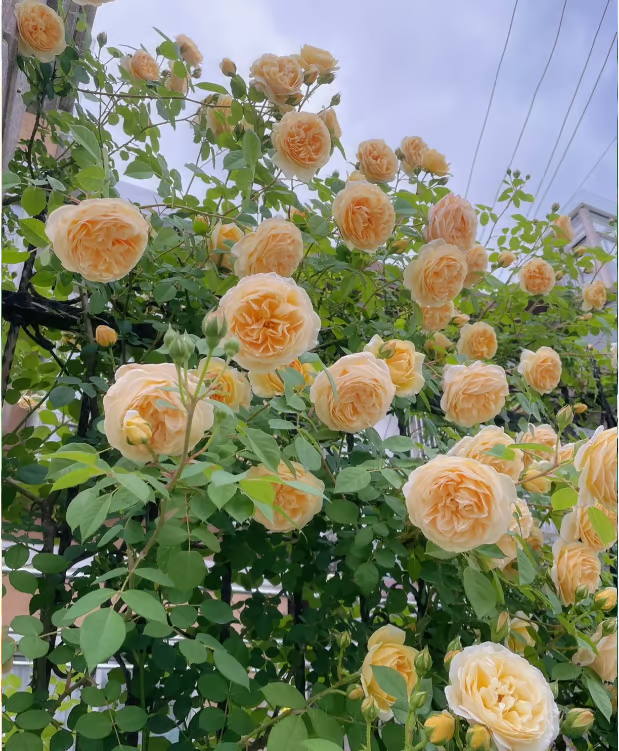


🌹【REPEATED FLOWERING】🌹CLIMBING ROSE SEEDS - HAPPINESS INCREASES
-
Free worldwide shipping
-
Free returns
-
Carbon neutral
-
Secure payments


🔥3185 sold in the last 24 hours🔥
🔥99.3% of reviewers recommend this product.🔥
🌹 Watching a tiny seed grow into a lush rose bush full of blooms will fill you with pride and joy! 🌿✨
🌱 Watch beauty bloom in just 7 days – effortlessly grow stunning climbing roses and transform your garden! 🌹✨
🎁Parutoarach is characterized by exceptional seed quality, ensuring a high germination rate and robust plant development. With a focus on superior seed quality, we strive to provide a rewarding gardening experience and earn the trust of our valued customers.❤️❤️❤️
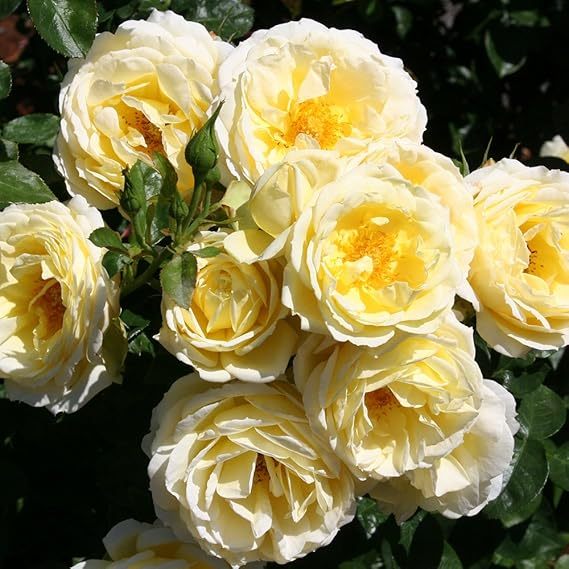
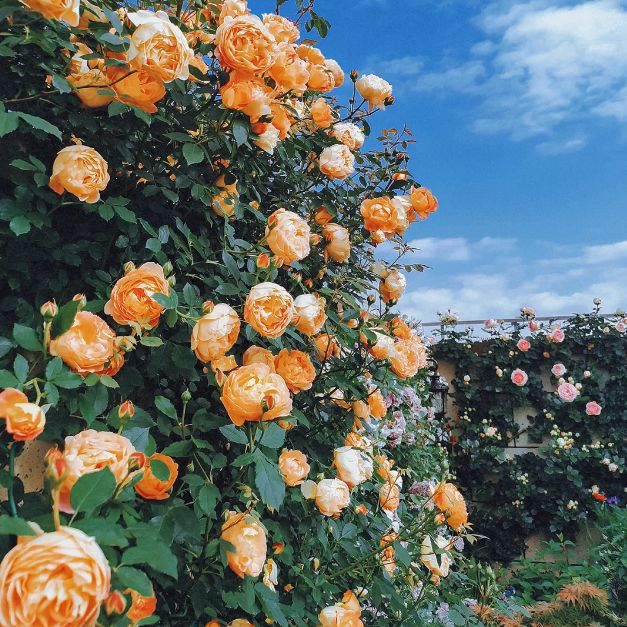
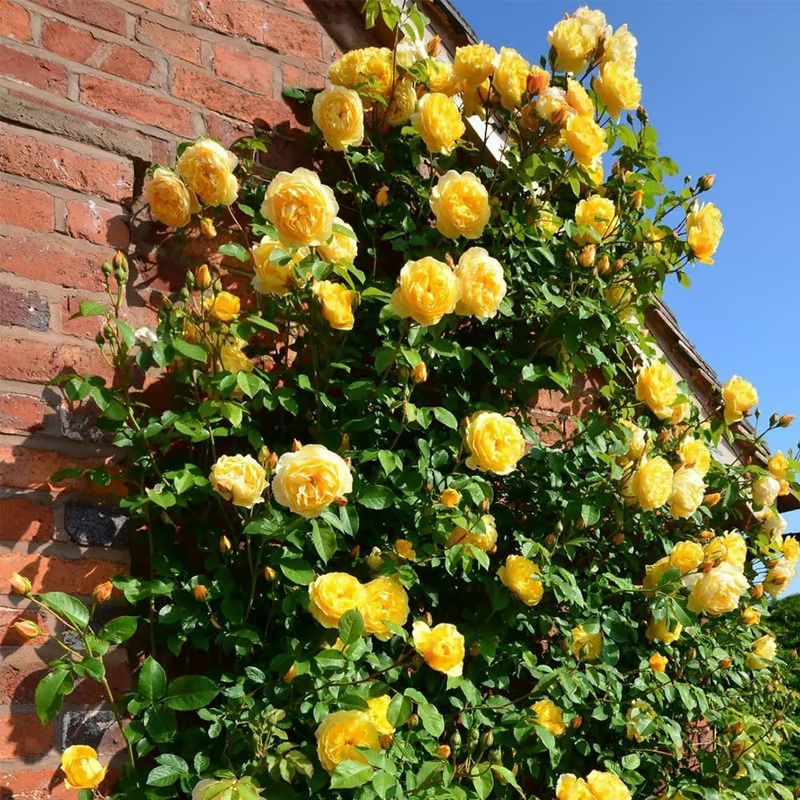
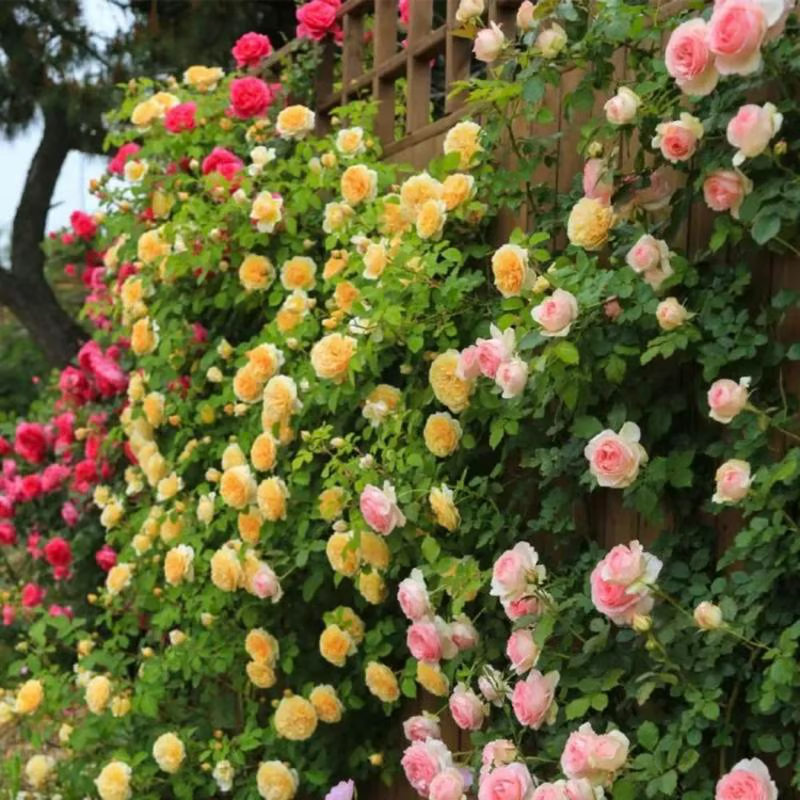
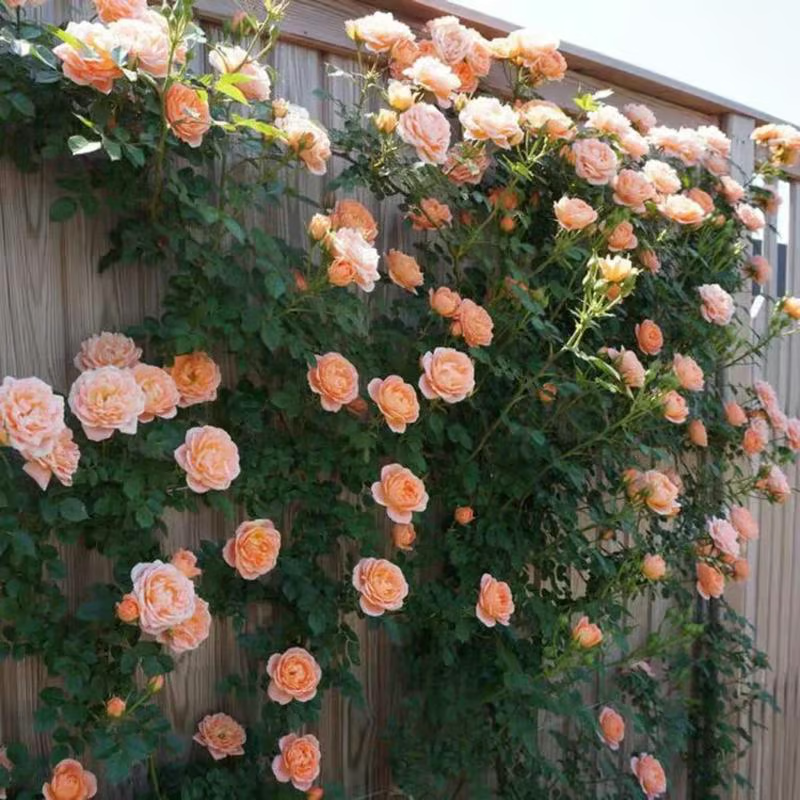
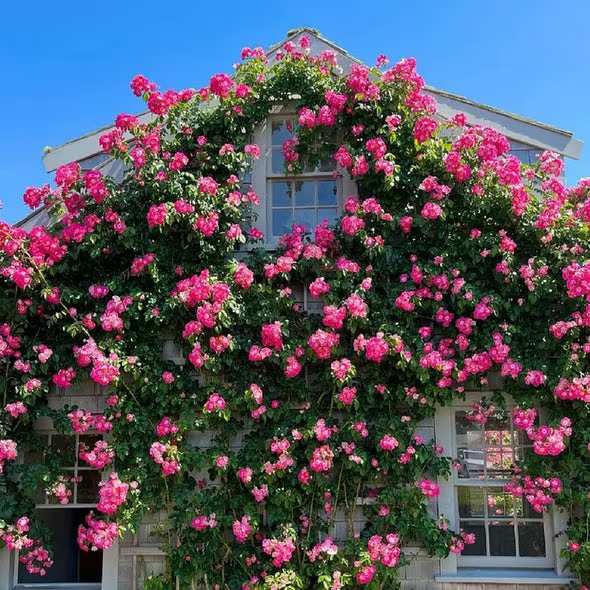
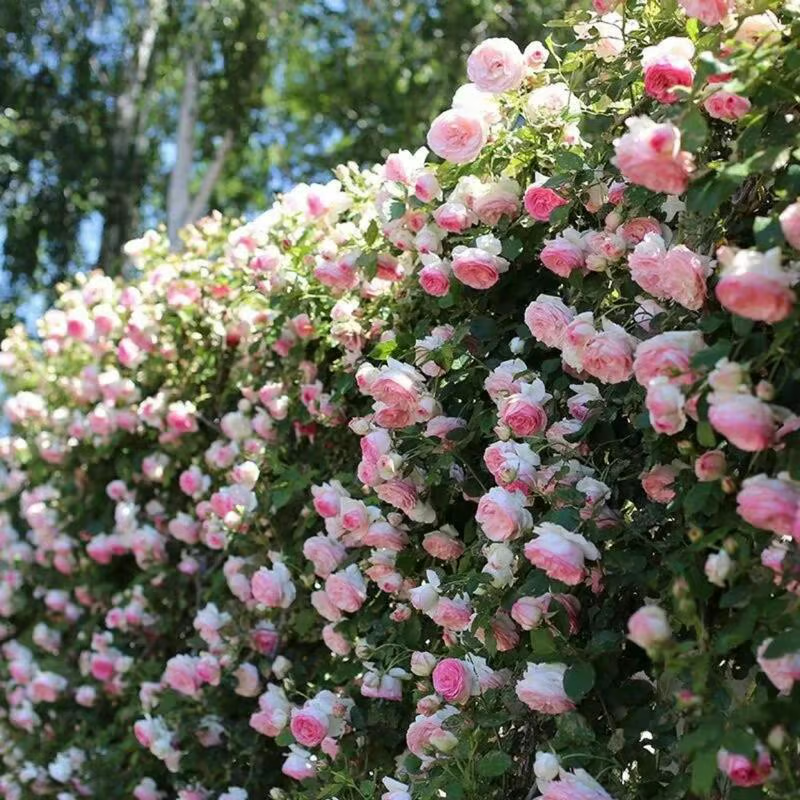
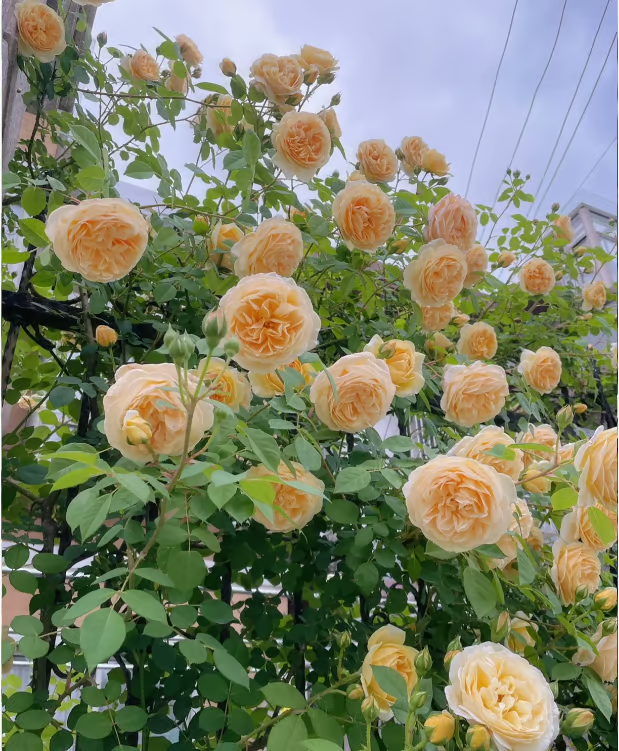
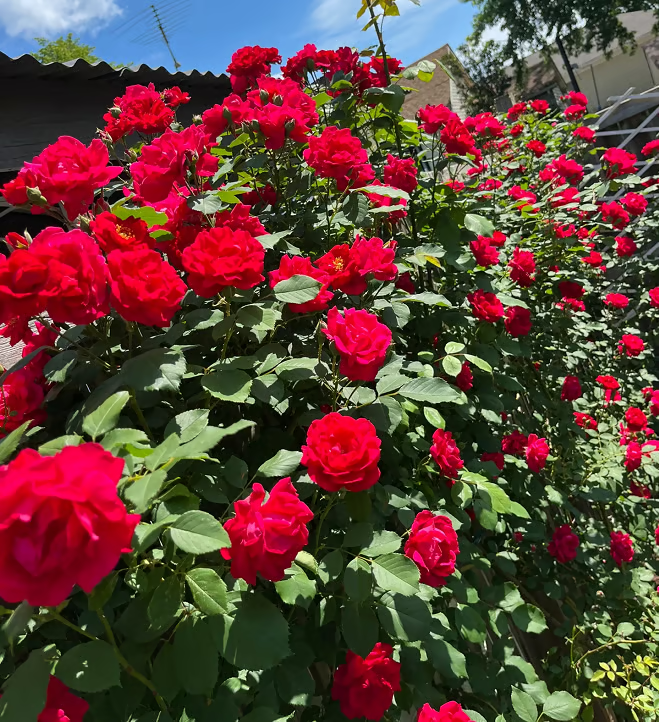
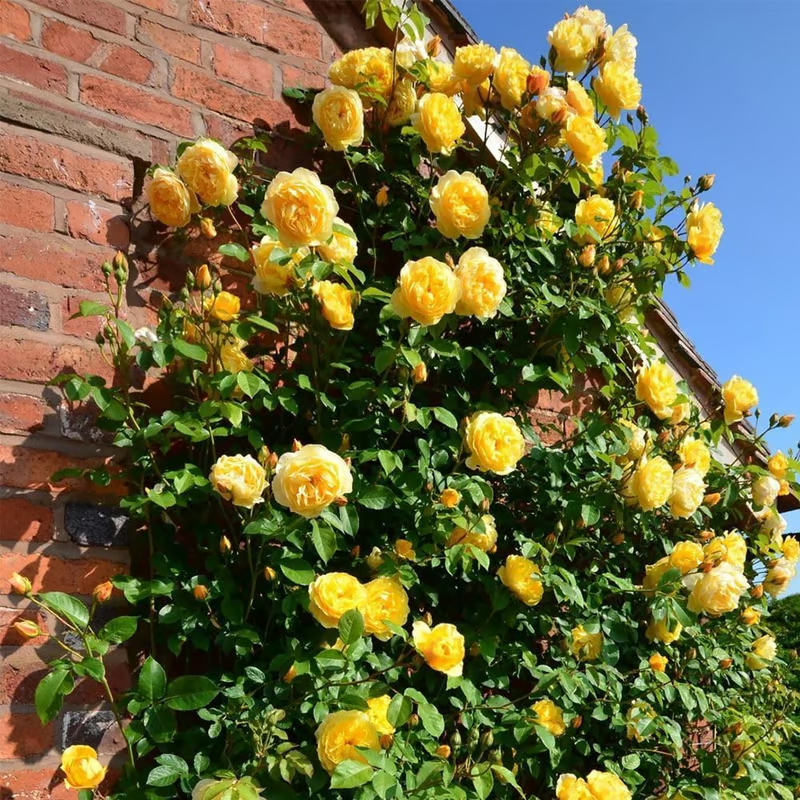
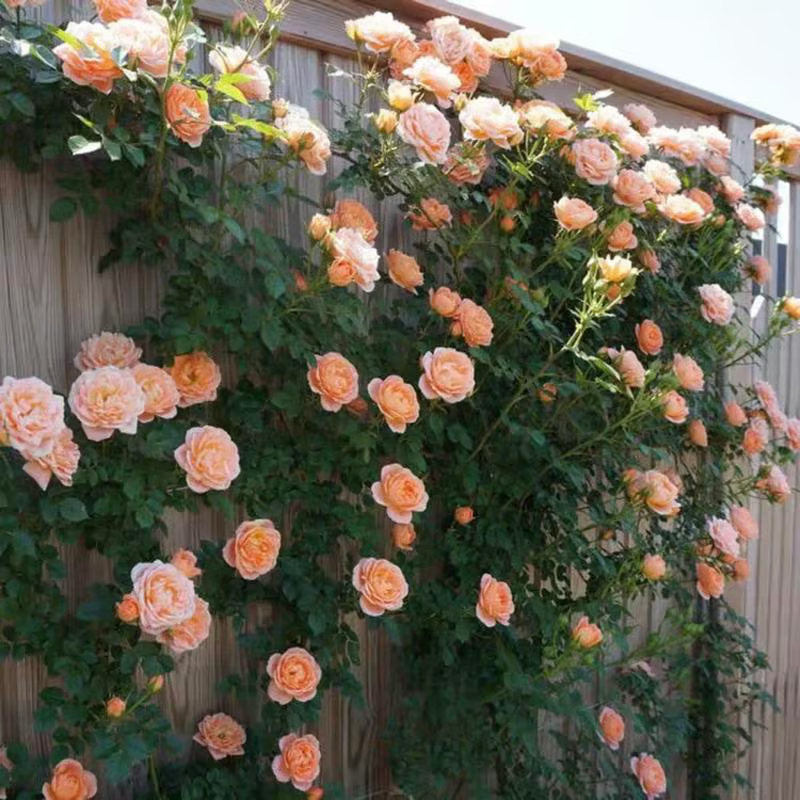
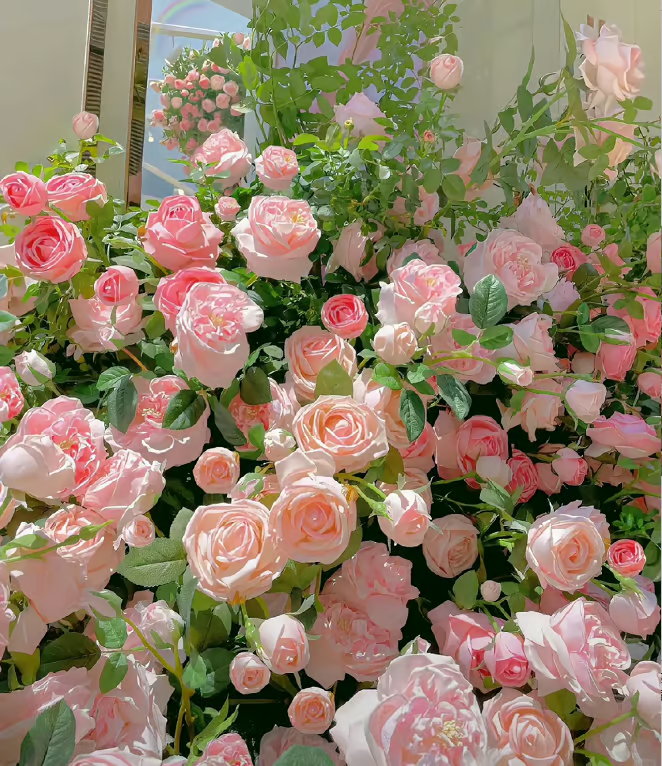
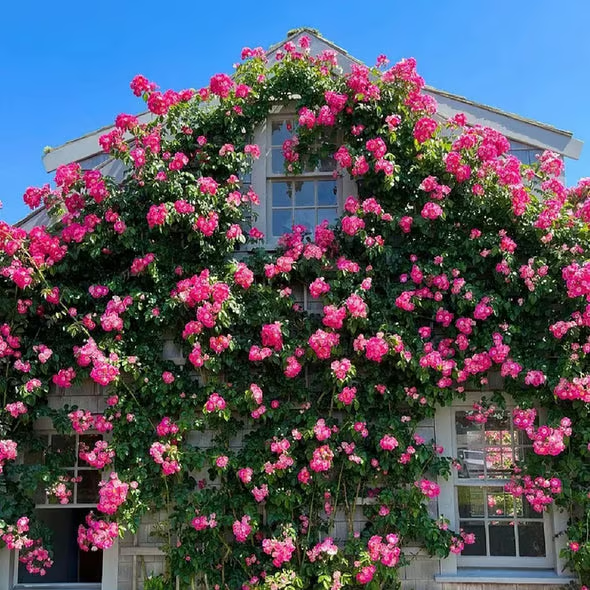
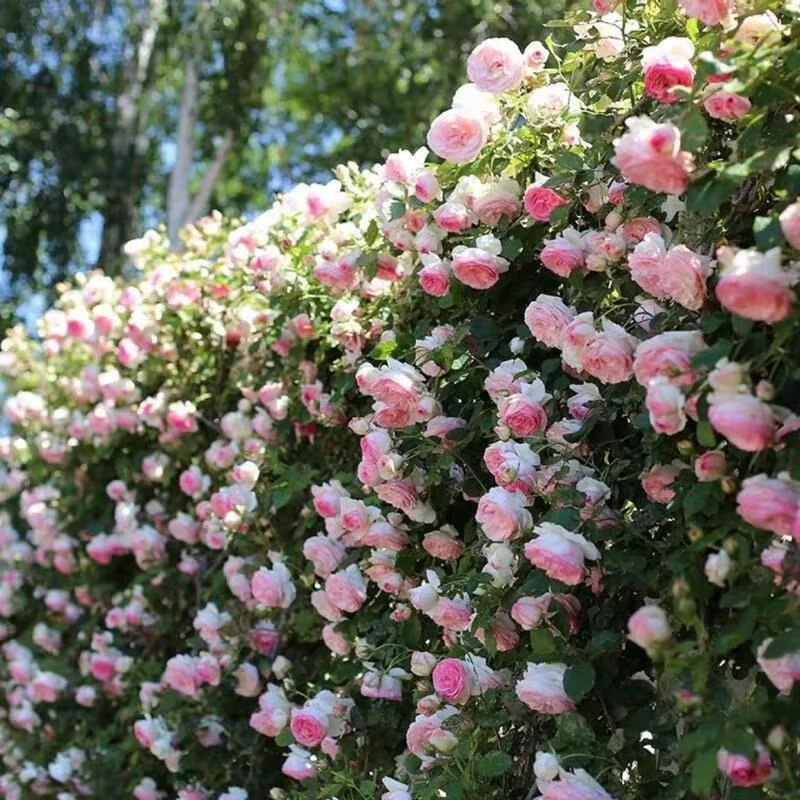
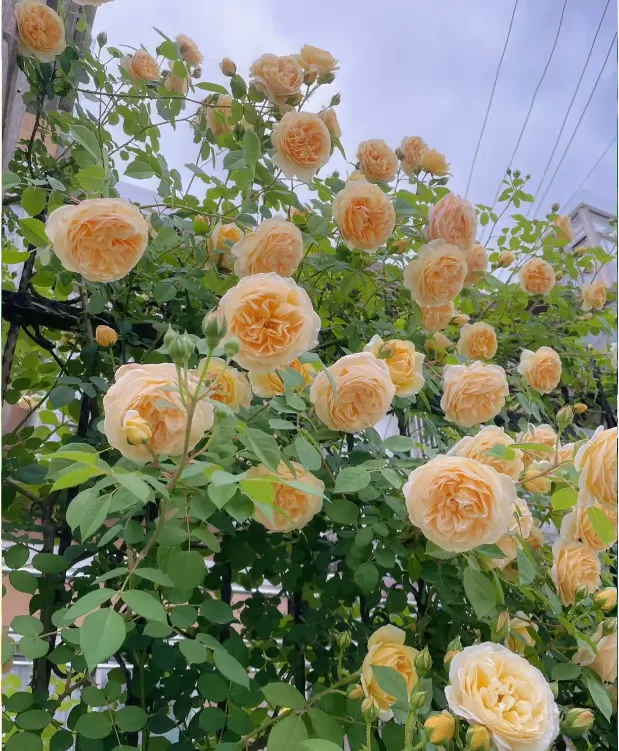
🌹🦋A climbing rose that blooms like a waterfall. This rose can be used to decorate flower walls, fences, or vertical sections in the garden, creating a dreamy scene for the garden. Its expansive nature and vibrant blooms create a unique garden atmosphere and attract butterflies and bees in search of nectar.
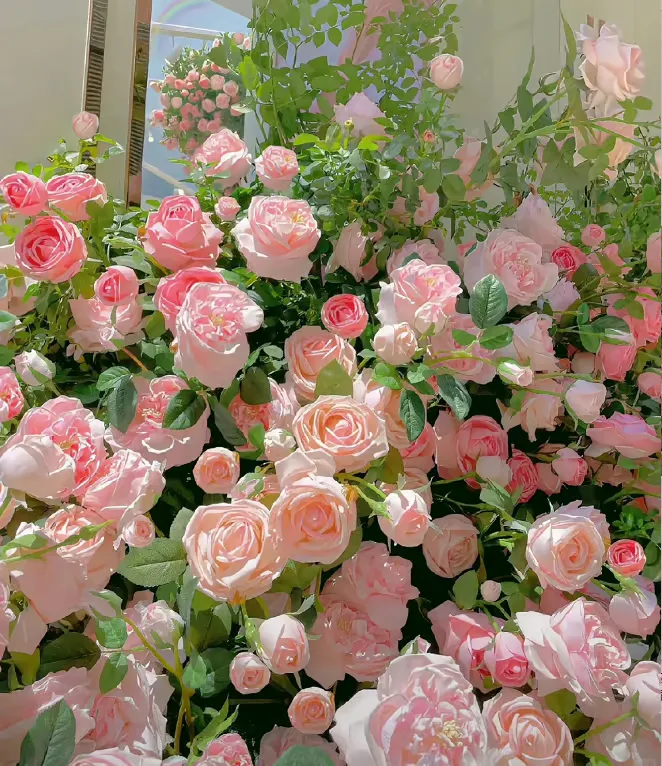
🌿 Vigorous climbing growth – Perfect for trellises and fences!
These climbing roses feature strong, trailing stems that naturally wrap around structures, creating a stunning vertical display of lush green foliage and vibrant blooms.

🌸 Long-lasting, fragrant blooms!
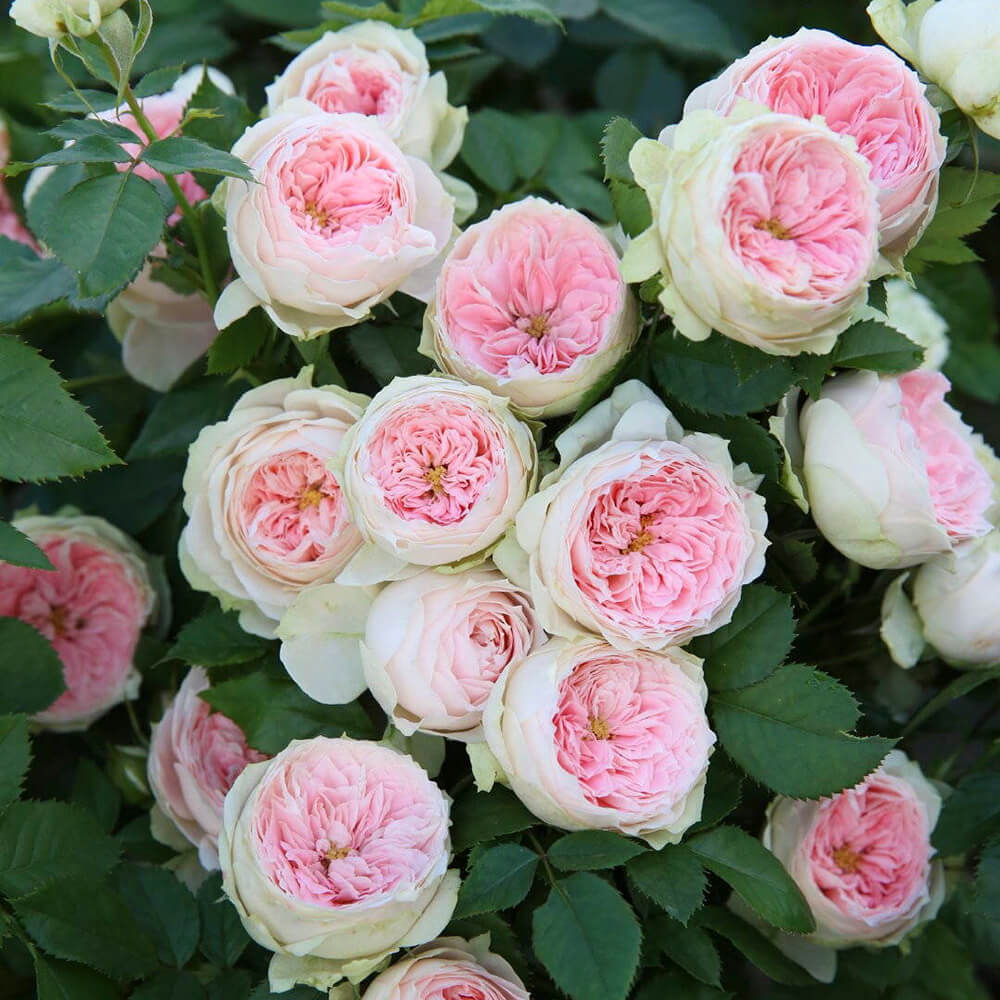
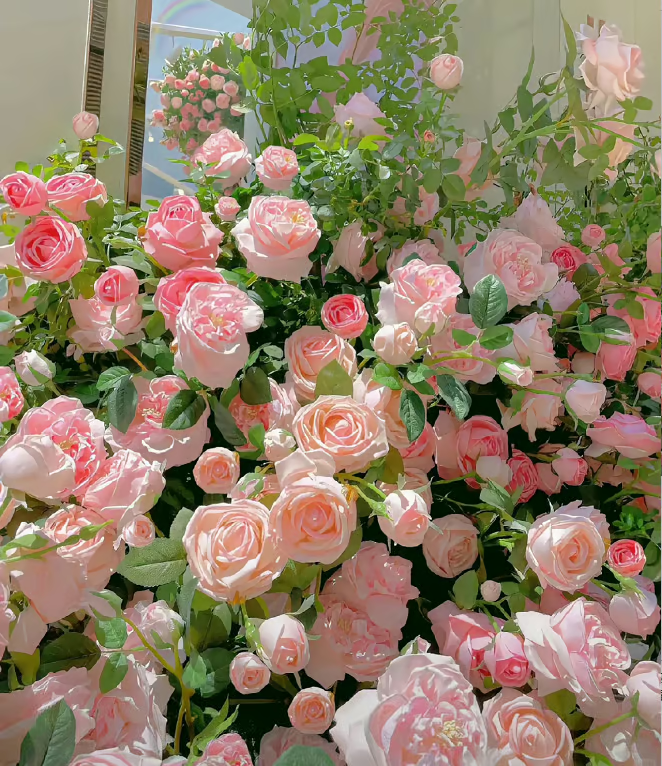
Enjoy continuous blooms all season long! These roses produce large, fragrant blooms that add beauty and delicate floral fragrance to your garden.
01 In which month are climbing roses planted?
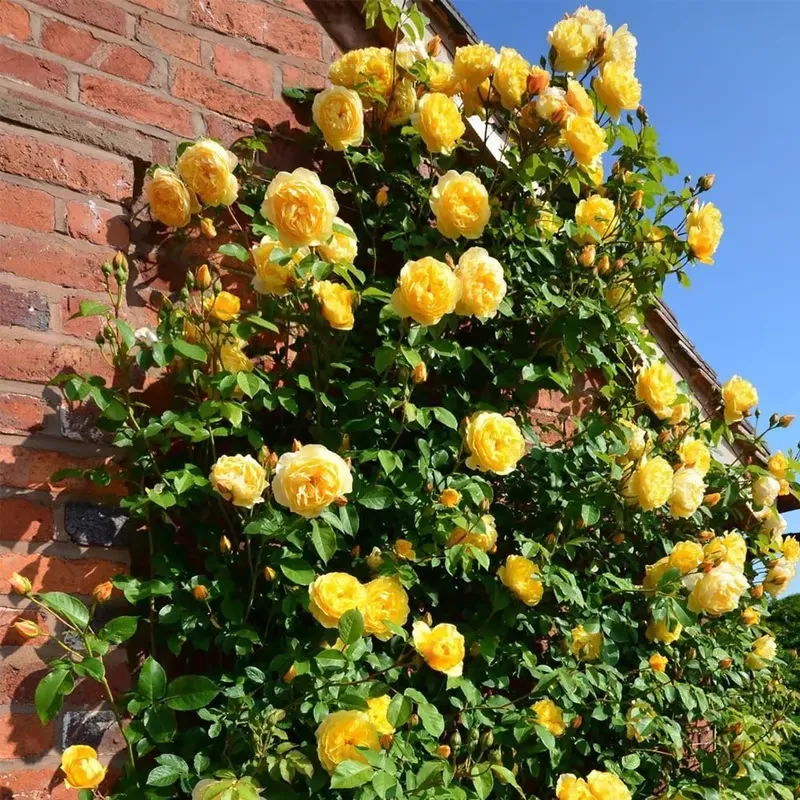
02 Should climbing roses be pruned every year?
Established climbing roses should be pruned annually, but drastic pruning isn't beneficial unless there are problems with the plant and replanting is necessary. The goal is for the main stems to grow tall and cover the intended surface or structure, and pruning prevents this.
03 Do climbing roses reproduce?
04 Are Rhodiola plants invasive or not?
Rose roots are generally considered non-invasive. Roses are known not to displace foundations or plumbing.
Rose bush roots spread toward water, so if you have leaky pipes, rose bush roots will grow there. Normally, these can't cause any damage because they're not strong enough.

05 Do climbing roses bloom in the first year?
Climbing roses don't bloom as profusely in the first and second seasons, as they are still growing to their full height. This requires a lot of energy. It's like fruit trees: They don't bear fruit when they're young. But either way: Now is the best time.
06 Do climbing roses have an expiration date?
Many modern roses only live six to ten years without special care. Some varieties and climbing roses live for 50 years or more.
07 How do I know if my rose is a climbing or rambler rose?
08 Can every rose be a climbing rose?
Planting method
Irrigation :
- Keep the soil moist during germination, spray or water it lightly daily and avoid waterlogging.
- After germination, water 2-3 times a week, adjusting the frequency according to weather conditions.
Fertilizing :
- Apply diluted liquid fertilizer once a month 4–6 weeks after planting.
- Fertilize every two weeks during flowering to promote flower growth.
Points to note
- Sunlight : Ensure at least 6 hours of sunlight daily.
- Drainage : Avoid waterlogging. Choose a soil with good drainage.
- Support : Use supports to encourage climbing growth.
- Pruning : Prune regularly to remove dead branches and encourage healthy growth.
- Control : Check the plants regularly and combat any pests and diseases immediately.
Limited quantity, will sell out quickly. Consider buying some for your family or friends. It makes a unique gift.
❤️ For every order we generate, we donate $1 to the World Conservation Union (WCO).
🎉Click “Add to Cart” to get your copy now!
💐WHY US ❓
- 🔥The price is always competitive.
- 😊Great customer service.
- 🏆Amazing products of high quality.
🌎 Worldwide shipping ✈
Please note that shipping is insured. However, you may receive your items sooner. Tracking numbers are ALWAYS sent, so you can follow the shipment every step of the way! Cool things are worth waiting for! 😉

Our warehouse
For delivery, we select the nearest warehouse according to your address.